Legal
Black Americans are Savvy About Health and Wellness
Black Americans have historically had a strained relationship with the U.S. healthcare system. Insufficient access to quality care and affordable medication, negative health outcomes, and inadequate cultural competency have defined healthcare delivery for People of Color for many years. How Black Americans view their own health, however, differs. To gain a deeper understanding of Black Americans' views on health and well-being, ThinkNow and Quantasy + Associates conducted a multi-wave study on the current state of Black Americans. This wave's findings suggest Black health is more encouraging than the prevailing narrative implies.
Optimism
While the disparities mentioned above are real, and the rate of uninsured Black adults is slightly higher than the general population, they are more likely to say they have the support they need to manage their health than non-Blacks (73% vs. 70%). In fact, Black Americans rate their current state of health on par with non-Black Americans. Seventy-nine percent believe their state of health is good compared to 76% of non-Blacks. Black Americans are also more likely to claim that being healthy is something they're intentional about, with 72% stating that being healthy is something they work hard at compared to 66% of non-blacks. Being healthy was also more likely to be mentioned as a life goal in this community, and that desire increases with education and income.
Natural Remedies
Black communities have strong cultural traditions of healing and wellness. The use of alternative and complementary medicine is popular regardless of income or health coverage status. When given a choice, 57% of Blacks prefer to use natural remedies over prescription medication compared to 49% of non-Blacks. This does not mean, however, that they aren't aware of prescription drug options since 63% state they pay attention to advertising about health and medications compared to 52% of non-Blacks.
Gender
Black men have some of the worst health indicators among racial and ethnic groups in America. They don't, however, view their own health negatively. Their positive attitude may be counter-productive since they're less likely to visit doctors than Black women. Fifty-three percent of Black men state that they only see doctors when they're sick vs. 43% of Black women. They are also more likely to state that good health runs in their family (57%) than Black women (38%). This optimism may influence their decisions on whether to seek the preventive or early care needed to improve health outcomes.
Mental Health
Black Americans are prioritizing their mental and emotional well-being. They are more likely than non-Blacks to "completely agree" that mental health is a significant part of overall health (58% vs. 50%), and Black women are especially attuned to the importance of mental health with 63% in complete agreement that it's significant. There also appears to be less stigma in seeking medical help for mental health issues with 48% of Black respondents stating they're comfortable doing so vs. 42% of Whites, 36% of Hispanics and 27% of Asians. Additionally, Blacks are more likely to state they know what they need to do to stay mentally healthy than non-Blacks.
Diet and Exercise
Black Americans are on par with other segments in understanding the components of a healthy diet. Seventy-seven percent choose fruits and vegetables when looking for healthy food, which is the same percentage as non-Blacks. They are slightly less likely to go for 'low sugar or sugar-free' products, but they shift to this more with age. Younger generations were more inclined to look for fortified, keto or high protein, low carb, and plant-based/vegan products. Rates of exercise were also similar to non-Blacks though they are slightly less likely to do cardio exercise and slightly more likely to engage in team or competitive sports.
Conclusion
Despite prevailing systemic obstacles, the Black community is taking ownership of its health outcomes and seeking to stay healthy. Black Americans increasingly rely on natural and plant-based approaches to wellness, prioritizing mindfulness and valuing mental and spiritual well-being. Marketing to this segment should be grounded in these truths and focused on preserving health, which aligns with Black Americans' optimism, as much as preventing and treating illness. By listening to and embracing Black voices, we take a positive step toward achieving health equity in the U.S. that serves the entire community's needs.
we demistify diverse communities through research technology
Legal
Viewers Looking Forward to World Cup Despite Controversy
The 2022 World Cup is scheduled to run from November 20th till December 18th. The tournament was moved from its usual June/July slot because of the intense summer heat in host-country Qatar. The temperature, however, is not the only heat surrounding the tournament. Human rights abuses by the firms building the stadiums and infrastructure to host the event have gotten as much, if not more, coverage than the qualifying matches that lead up to the tournament. Qatar's laws against homosexuality are also creating tension at a time when World Soccer is trying to become more inclusive.
These controversies, however, do not appear to have diminished fans' interest in the quadrennial event, especially here in the U.S., with athletes returning to the tournament after failing to qualify in 2018. This, along with an overall increase in interest in soccer in the U.S., will likely result in strong viewership. To gauge interest in the tournament and measure how the controversies might affect viewers' opinions of sponsors, we conducted a nationally representative survey of 1,550 respondents. We found that 44% of U.S. adults are either somewhat or very likely to view at least some matches. This is an improvement over the last time the U.S. qualified for the tournament, when 37% of respondents in our 2014 survey said they would be watching.
Download the report here.
As usual, Hispanics are the most likely to say they will tune in. Mexico's national team, Argentina, Ecuador, Uruguay, Costa Rica, and (technically not Hispanic) Brazil, will be playing in the tournament. Those teams, along with Team USA, are expected to draw Hispanic viewers who would like to see the FIFA World Cup Trophy return to the Americas.
Millennials primarily drive interest in the tournament.
Forty percent of Millennials are soccer fans. They are twice as likely to be a soccer fan than Gen X and 25% more likely than Gen Z. Major league soccer matches in Atlanta, Seattle and Cincinnati regularly draw larger crowds than baseball games. Millennials are also the age group most likely to watch the World Cup.
Streaming Edges out Regular T.V.
When asked how they plan to watch, streaming edges out broadcast television by 52% to 48%. This holds true across racial groups, except for Hispanics who are slightly more likely to view on T.V. (56% vs 54%).
The only group to report a higher likelihood to watch games on regular T.V. over streaming are Baby Boomers at 69% vs. 34%. The rise in streaming's popularity is evident across all types of content. Sports, however, has been a holdout in that the major networks are generally viewed as the best place to view live events. However, the fact that the World Cup audience skews younger is bolstering streaming over broadcast. Fox Sports and Telemundo and their respective streams have the U.S. broadcast rights for the U.S. Likely viewers, however, are not yet aware of that since 52% of respondents said they would watch on ESPN vs. 35% on FOX and 21% on Telemundo.
Qatar Controversy
Awarding the World Cup to Qatar has been controversial. Accusations of bribery being the reason the tournament was awarded and the fact that the country could not host the tournament in the summer because of excessive heat are concerning but their poor human rights record has garnered the most attention. Building the soccer stadiums in a country with summer highs of 108/109 °F and weak worker protections has caused the death of 6,500 foreign workers. Additionally, homosexuality is illegal in Qatar and punishable by up to three years in prison and death under sharia law for Muslims. This has led some brands who normally sponsor the tournament to pull out of this year's event. Others have issued statements condemning the human rights abuses but have stopped short of pulling their sponsorship.
Fans, however, generally support brands that sponsor the World Cup. Fifty percent say that sponsorship positively impacts their impression of the brand while only 7% say sponsorship would negatively impact their opinion. Negative opinion towards sponsorship is in the single digits across all demos except for Gen Z. 22% of Gen Z say that sponsoring the World Cup this year would diminish their perception of a brand.
Conclusion
While controversy surrounds the 2022 Qatar World Cup, viewership in the U.S. is likely to remain strong and the potential for backlash against sponsoring brands will remain low. The fact that it will be played in the fourth quarter makes it difficult for brands to stay away since it's when most Holiday ad spending takes place. However, brands that choose to sponsor World Cup events this year should also demonstrate their support of the LGBTQ+ community and workers' rights to make it clear where they stand.
In a time when U.S. viewership of international sporting events like the Olympics is declining, more attention will be placed on the expanding World Cup audience. Americans will be tuning in, or more precisely, logging on. Brands that care about staying relevant need to be there with them.
Download the report here.
we demistify diverse communities through research technology
Legal
The Model Minority Myth is Hurting Asian Americans’ Mental Health
ThinkNow recently fielded a comprehensive quantitative study that compared attitudes and behaviors related to health and wellness among minority groups. After reviewing the survey results, I assumed I would write a blog about mental health issues impacting Black or Hispanic Americans. While there were certainly findings that I could have written about among those groups, the results that really struck me were specific to Asian Americans. The Asian American narrative usually revolves around the model minority myth promoting positive stories about education and financial success. However, mental health in the Asian community does not get as much press. The findings were eye-opening.
Statistically, Asian Americans are doing well collectively when it comes to educational and financial attainment. However, our data shows they lag other ethnic groups in seeking mental health services when needed.
Cultural Barriers
Seeking help for oneself runs contrary to the collectivist ideal in Asian culture of placing the needs of others and society before one’s own. This is true in both East and South Asian cultures. The belief is so ingrained that some segments of the Asian American community, especially the foreign-born, don’t have the language to discuss mental health issues. They, instead, think of mental ailments as a physical condition without considering possible psychosocial origins. The concept of mental health was developed in the U.S. and Europe and mainly used western cultural concepts in diagnosis and treatment. The lack of connection to mental health awareness shows up in the data where most Asian Americans surveyed stated not perceiving mental health as a significant contributor to overall health and well-being.
Even when they recognize they might need help with mental health issues, Asian Americans are less likely to feel comfortable seeking that help.
The Dark Side of The Model Majority Myth
Suicide is the leading cause of death among Asian American young adults ages 15-24. Asian youth can become overwhelmed by the expectations to succeed. Although the model majority myth may have its origins in Asian immigrants’ desire to succeed in the U.S., it is perpetuated in mainstream culture by teachers, business leaders, comedians, and the media. Asian students may perceive struggling with school pressures as letting both their parents and society down. Without good examples of what self-care looks like, fewer than 20% of Asian Americans know what to do to keep themselves mentally healthy.
Culturally Appropriate Support
Since fewer Asian Americans currently seek mental healthcare compared to other groups, they are less likely to see other people like them in places that could help them, such as student health centers or clinics. This inadvertently confirms their belief that they don’t belong there. Recognizing this disparity is the first step toward creating inviting spaces for Asian Americans to seek mental health services. Language is not as much of an issue for Asian youth but is a real barrier for older, foreign-born groups. Having in-language material and resources available can be lifesaving.
Training healthcare providers to recognize the additional barriers their Asian American patients may be experiencing can also help increase the uptake of services in this demographic group. Healthcare workers must be culturally competent, understanding the nuances impacting their Asian American patients’ decisions.
How We Can All Help
The model minority myth requires society at large to perpetuate it. Reflecting on our beliefs about what a scientist, artist or carpenter looks like can help open more doors for Asian Americans struggling to conform to certain ideals. Also, asking Asian Americans “where they’re from” is still far too common. What seems like an innocent question to get to know one better actually “others” that person for it makes assumptions about what an American should look like.
Finally, normalizing mental healthcare as something everyone in society can benefit from is vital. By sharing our own challenges, we can inspire Americans of all ethnic backgrounds to accept mental healthcare as an integral part of a well-rounded healthcare routine.
we demistify diverse communities through research technology
Legal
Culture and Multicultural Identity: Names Matter
Keeping pace with culture can be challenging for brands. Consumer dynamics are evolving and becoming increasingly fluid, particularly around identity. Several factors influence how consumers see themselves and shape their attitudes, behaviors, preferences, and biases, including their heritage and culture. Through this lens, consumers make purchase decisions and establish brand affinities, requiring companies to develop a better understanding of the complexity of identity.
Multicultural consumers are often motivated by a desire to represent their culture in how they identify their race and ethnicity. In 2020, ThinkNow conducted a nationwide online survey among Hispanics, African Americans, and Asian Americans ages 18 to 64 to understand how they prefer to identify themselves among peers and in marketing and media. This year, we conducted a follow-up study in which we found that the needle hadn’t moved much, with a few exceptions.
Download the report here.
Naming Preferences: Hispanics
In 2020, we found that the terms “Hispanic” and “Latino/Latina” were preferred by the majority of U.S. Latinos across different scenarios, in particular, when they or others (i.e., media, companies) referred to this population as a whole. That consensus holds in 2022, with the majority of Hispanics preferring the term “Hispanic” when used in most contexts, followed by “Latino(a).”
There was a noticeable shift in sentiment when respondents were asked about naming preferences “when describing yourself in a professional setting (job, interview, etc.).” In 2020, 36% preferred Hispanic and 26% preferred Latino(a). In 2022, 43% of Hispanics preferred “Hispanic” (increase), and 20% preferred “Latino(a),” a six-point decrease.
Interestingly, there is a five-point decrease in the use of the term “Latino(a)” when respondents were asked naming preferences “to use when describing or naming all people of Spanish or Latin American heritage in the U.S.,” from 30% to 25%.
Consistent with data reported in 2020, the term “Latinx” continues to exist in the margins. However, 3 out of 5 Hispanic adults have heard of the term, but it has yet to achieve broad adoption except among younger generations.
Naming Preferences: African Americans
Among African Americans, we saw naming preferences become more nuanced. In 2020, 49% of African Americans preferred media, companies, and brands to refer to them as “African American,” and 33% said “Black,” accounting for 82% of respondents. This year, only 37% of African Americans prefer that companies, brands, and the media use the term “African American,” followed by “Black” (23%) and “Black American” (22%). While the total percentage of respondents is the same here, we saw an additional preference emerge not accounted for in 2020. While commonly used, the term “people of color” is not preferred in most cases.
Naming Preferences: Asian Americans
Among Asian Americans in 2020, when asked about naming preferences “for the media/companies/brands to use when describing/naming,” 8% of respondents stated “My Country of Origin + American.” But in 2022, 14% held that preference. Very few Asian Americans prefer to solely be called “American.”
Multicultural Identity
Across the three cohorts, the term “American” was among the least favored naming preferences indicating a desire among multicultural consumers to connect with their heritage. The onus is on media, companies, and brands to research to uncover cultural drivers underpinning multicultural identity and how these factors affect consumption habits.
Download the report here.
we demistify diverse communities through research technology
Legal
Black Consumer Project Wave 2: Exploring Black Americans' Relationship With Financial Services
For decades, research has painted a picture of a Black America that is distrustful of the financial system, hesitant to adopt banking services, and resistant to guidance. While economic disparities and trust deficits exist, banking habits in the Black community are incredibly diverse. In this latest chapter of the Black Consumer Project, we look at how Black Americans manage money today.
What is the Black Consumer Project?
A collaborative effort by ThinkNow and Quantasy + Associates, Black Consumer Project is an in-depth, multi-wave study of Black Americans' economic and cultural contributions. This community has more buying power than ever, and our goal is to uncover its unique perspectives, behaviors, and preferences.
Wave 1 of BCP explored Black Americans' core values, personal goals, layers of identity, and definitions of success. Wave 2 takes a deep dive into their banking behaviors, financial perceptions, and aspirations for the future.
Stream the Black Consumer Project - Financial Services online event here.
Increasing Influence
According to the 2020 Census, the Black population has increased by 5.6% over the past decade. Those who identify as Black in combination with another race group increased by 88.7%. The median household income (HHI) for Black Americans was $44,000 in 2019, meaning that just under half of all households (46%) earned more than $50,000 a year. Those earning more than $100,000 represent 18% of the overall Black population. Education has also increased significantly, with the population of those with a bachelor's degree (23%) doubling since 2010. With a population of 46.9 million, Black Americans wield an impressive $1.4 trillion in buying power.
Motivating Factors
During the first wave, we discovered that Black Americans' definition of success isn't tied to money. Living a healthy lifestyle, owning a business, and giving back to the community ranked higher when compared to non-Black ethnic groups. In this second wave, we explore the relationship between the Black community and finance to better understand current behaviors and aspirations for their financial futures.
See the Data
The Black Consumer Project Wave 2 launches Tuesday, July 12th with an online streaming event featuring Quantasy + Associates' Melanie Williams and ThinkNow's Roy Eduardo Kokoyachuk, who'll dive into the data. A panel discussion featuring Jordan Awoye, Managing Partner of Awoye Capital, DonYe Taylor, Creator and Cultural Strategist, and Sheros Thomas, Trustee Bankston Farms, V.P., Group Director at Quantasy + Associates, will follow moderated by Julian Mitchell, Advisor and Journalist.
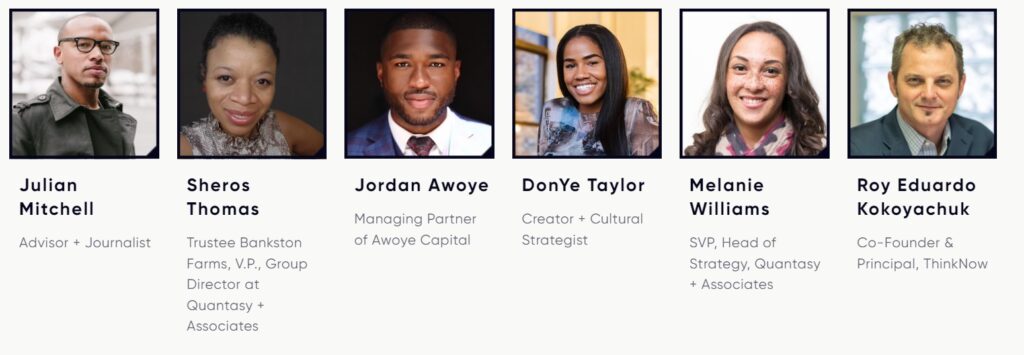
Stream the Black Consumer Project Wave 2 – Financial Services here.
we demistify diverse communities through research technology
Legal
Gen Z Demands Diversity & Inclusion, Upvotes Brands That Level Up
America’s youth, the first multicultural majority generation in U.S. history, is growing rapidly, adding over 2.3 million consumers (about twice the population of New Hampshire) to the population each year, making them a significant force to be reckoned with. These "mini-millennials” challenge brands to address societal stereotypes, particularly around gender identity, and use their influence to support or disapprove of brands’ diversity and inclusion efforts.
In our first report on diversity and inclusion last year, we analyzed consumer reactions to companies' public declarations of support for social justice in 2020. In our latest wave of ThinkNow Diversity & Inclusion: Brands and Consumer Purchase Intent, we find differences in perceptions and expectations among key demographic groups compared to last year’s report.
Download the report here:
Diversity & Inclusion Means Racial Equality
As in 2021, most U.S. consumers equate diversity and inclusion with ‘racial equality.’ Among LGBTQIA consumers, however, 70% consider ‘LGBTQIA equality’ a stronger representation of D&I. Youth are more likely to see ‘gender equality’ as an example of diversity and inclusion.
Multicultural Consumers Support Inclusive Brands
African American and Hispanic respondents are the most likely to support a company that makes a public commitment to diversity and inclusion initiatives, which differs significantly from non-Hispanic Whites. This metric has held steady over the past twelve months as black and brown audiences, galvanized by the events of 2020, seek out brands that “understand the assignment.”
Consumers who support inclusive brands do so in various ways, but the extent to which they do it has shifted. Overall, we’ve seen a slip in the percentage of consumers willing to share their support on social media. The polarity of the platforms is likely driving this drop. However, there’s been an increase in those willing to spend more money at these stores or go out of their way to shop there – even if they’ve never done so in the past.
We did see a dip in the percentage of consumers willing to break up with their favorite brands if they don’t step up.
At the micro-level, non-Hispanic Whites are more likely to say that they would share their support on social media. Compared to a year ago, fewer Hispanics would share on social media, but more would go out of their way to support a store they had never frequented.
The number of African Americans willing to spend more money at a store that publicly supports diversity and inclusion significantly increased from 2021 to 2022. In 2022, this segment is more likely than other segments to be willing to spend at least 50% more at these stores.
While Millennials have become less likely to spend at least 50% more at stores that show a commitment to diversity and inclusion, Gen Z, on the other hand, has become more likely.
It Just Makes Cents
While it may not be making headlines or spilling out into the streets, consumer expectations for more diverse and inclusive brands are holding steady, driven by America’s youth. From race to ability, sexual orientation to gender, consumers want to see themselves represented authentically and sincerely by companies and brands.
A brand’s ability to do that impacts consumer sentiment and purchase behavior. Brands unwilling to step up run the risk of alienating consumer groups and the spending power at their disposal.
To see additional insights, download the 2022 ThinkNow Diversity & Inclusion: Brands and Consumer Purchase Intent Report today.
we demistify diverse communities through research technology
Legal
Is Black Girl Travel Magic? Decoding Travel Habits
The 2017 film Girls Trip paid homage to Black women shouting “wheels up” as they board flights to various destinations around the world. A study of 900+ Black millennial women found that 42% have taken 1-2 vacations over 5+ days in the past 24 months, and an additional 28% have taken 3-4 vacations over the same period.
Pre-Trip Planning
For Black women, preparing for the trip is just as important as taking the trip. This is where brands come in. Most respondents state they shop online a few times a month, with clothing making up 52% of purchases. When deciding what to buy, they’re most influenced by family and friends, with brands influencing their decision a quarter of the time. So that means they’re checking in with their girlfriends on which outfits to take and which shoes to wear, and which site has the best deals, especially if they’re traveling together, to ensure that when they touch down in their chosen city, everything is on point.
Sixty-three percent of respondents state brand authenticity – defined as honesty, caring about the consumer, and high-quality products – is also important. Interestingly, 62% said they have not unfollowed or criticized a brand online, but they’ve likely directed their dollars to the brand that most resonates with them.
Booking Travel
When it comes to booking travel, 59% of respondents state they book online, and 46% prefer package deals. Twenty percent of vacationers say they booked their vacation four weeks ahead of time.
While nearly all travelers state they’ve traveled within the US, nearly half say they’ve traveled outside the US. Top destinations outside the US include Africa, the Bahamas, and Jamaica. Domestically, travelers still seem to favor warm climates as 40% plan to visit Disney World in Florida in the next 12 months.
Black Girl Travel Demographics
On social media, #BlackGirlTravel shows a thriving demographic. Black women are characterized as caring, trustworthy, and responsible. Our data shows that 48% state having enough money set aside for a rainy day, 49% state they sometimes “self-indulge” (and that’s OK!), and when thinking about the future,19% are looking to take out a mortgage which is a step toward building generational wealth.
Brands looking to reach this demographic are most likely to do so through digital streaming (60%) or cable TV (44%). The top watched networks are ABC, BET, and VH1.
It’s a big world out there, and Black millennial women want to explore its four corners. So they invest in themselves and set money aside to ensure they can do that while reaching their financial goals.
Basic Demographics:
- • Household income of $50-60,000
- • 34% have at least some college education
- • 42% own their own home
- • Age: 23-38 (Millennials)